
About the place
Lawachara National Park lies in Kamalganj, Moulvibazar, close to Sreemangal. It covers about 1,250 hectares of semi-evergreen and mixed deciduous forest, much of it secondary growth with small remnants of older forest.
It is best known for the Western Hoolock Gibbon — a threatened ape whose calls carry through the forest in the morning. Around 246 bird species have been reported from the park, which makes it one of the most rewarding forests in the region for patient wildlife photography.
What we hope to photograph
These species are documented in Lawachara. Sightings vary from day to day and none can be guaranteed.
- Western Hoolock Gibbon — the park’s signature species
- Phayre’s Leaf Monkey and Capped Langur in the canopy
- Hornbills, among the park’s many forest birds
- Bengal Slow Loris — nocturnal, and rarely seen by day
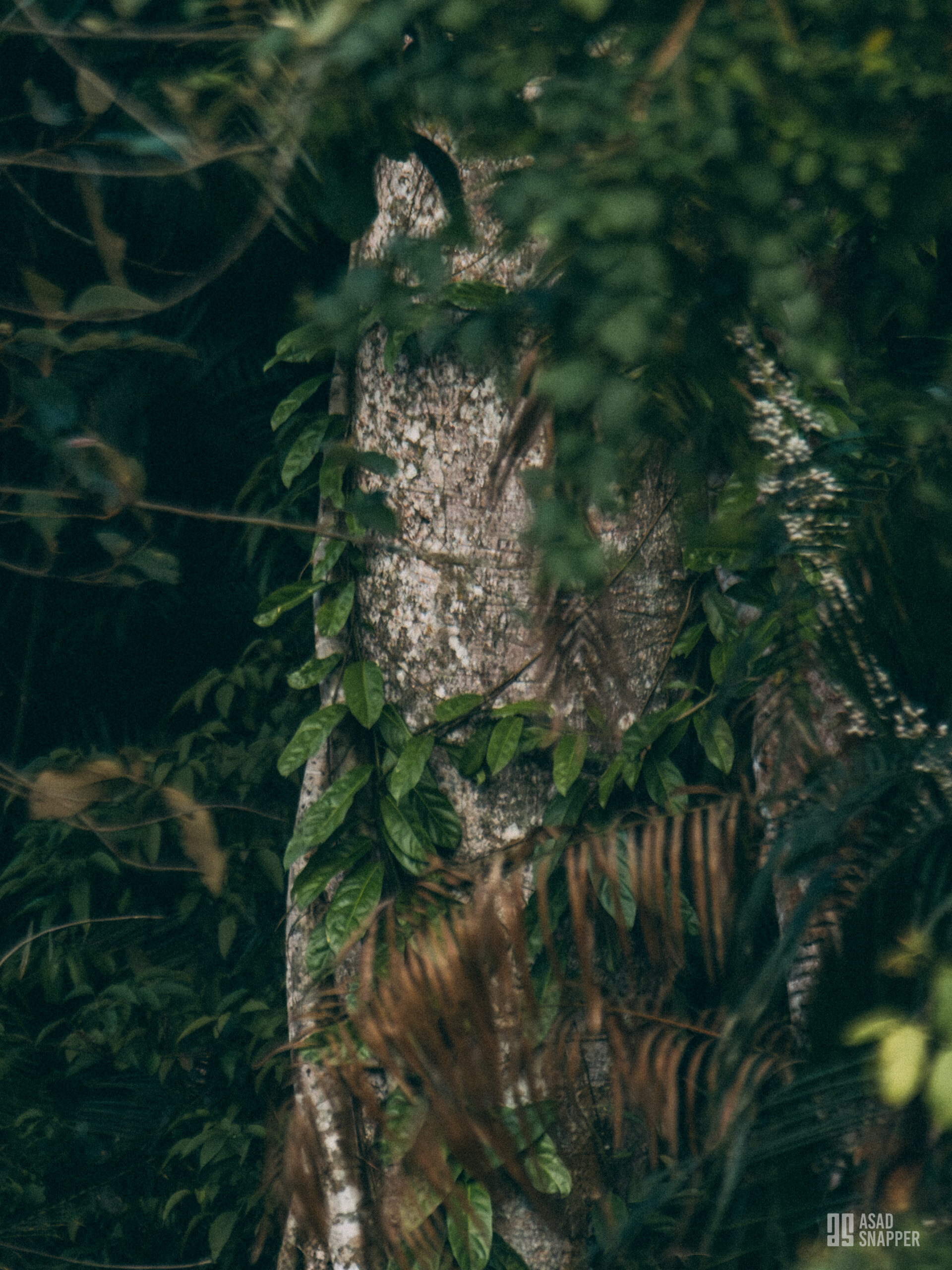
- The forest itself — light shafts, the railway line through the trees, and the texture of the canopy
Photography opportunities
- Primate behaviour photography from a respectful distance
- Early-morning forest bird photography
- Low-light work in the forest interior
- Environmental wildlife portraits showing animals in their habitat
- Documentary storytelling about a forest surrounded by tea estates and villages
Recommended gear
- A long telephoto lens for primates and canopy birds
- A mid-range zoom for forest scenes and environmental portraits
- A camera body with good high-ISO performance
- A monopod rather than a tripod on busier trails
- Rain protection for the camera, quiet clothing and comfortable walking shoes
The field experience
Mornings start early, when the gibbons call and birds are most active. We walk slowly, stop often and give animals plenty of space — primates should never be followed or crowded.
Lawachara can be busy with visitors later in the day, so most serious photography happens in the first hours of light. Patience and quiet make the difference between a glimpse and a photograph.
Join the outing
Interested in joining me for a wildlife photography outing? Get in touch, and let’s explore the field together. Dates, transport, accommodation, permits and any costs are confirmed individually before each outing.
Research & Field References
- Wikipedia — Lawachara National Park
- The Daily Star — “Inside Lawachara: Beauty thrives amid mounting threats”
- The Daily Star — “A haven for hoolock gibbons”
Species named on this page have been recorded here by others; none are guaranteed on any outing. References last checked November 2026.


